 AjiNova
Ideas, Insights & Innovation
Expert perspectives on web, mobile, cloud, AI, and digital transformation — written by the team building it.
Elon Musk Just Bought the AI Tool That Millions of Developers Can't Live Without for $60 Billion
SpaceX has formally agreed to acquire Cursor, the AI coding assistant that has quietly become the most popular developer tool in the world, in a deal worth $60 billion. The merger drops just days after SpaceX's blockbuster Wall Street debut and puts Musk in direct competition with Anthropic, OpenAI, and Google in the fastest-growing segment of the AI industry. Here's what happened, why it matters, and what it means for the developers who use Cursor every single day.
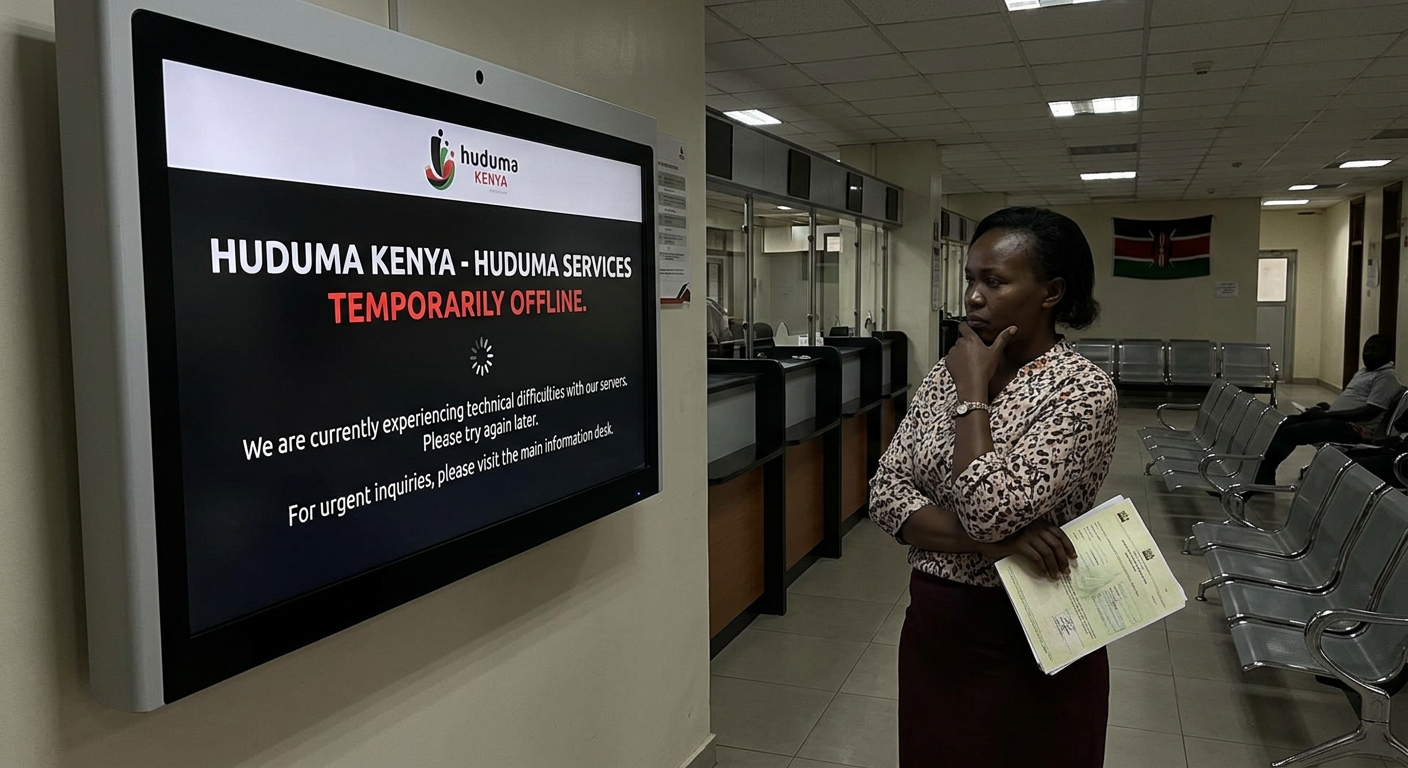
Why Thousands of Kenyans Couldn’t Access Government Services Today
Huduma Centres across Kenya suspended operations on June 15, 2026 after a data centre outage. Here’s what happened, which services are affected, and when services are expected to resume.
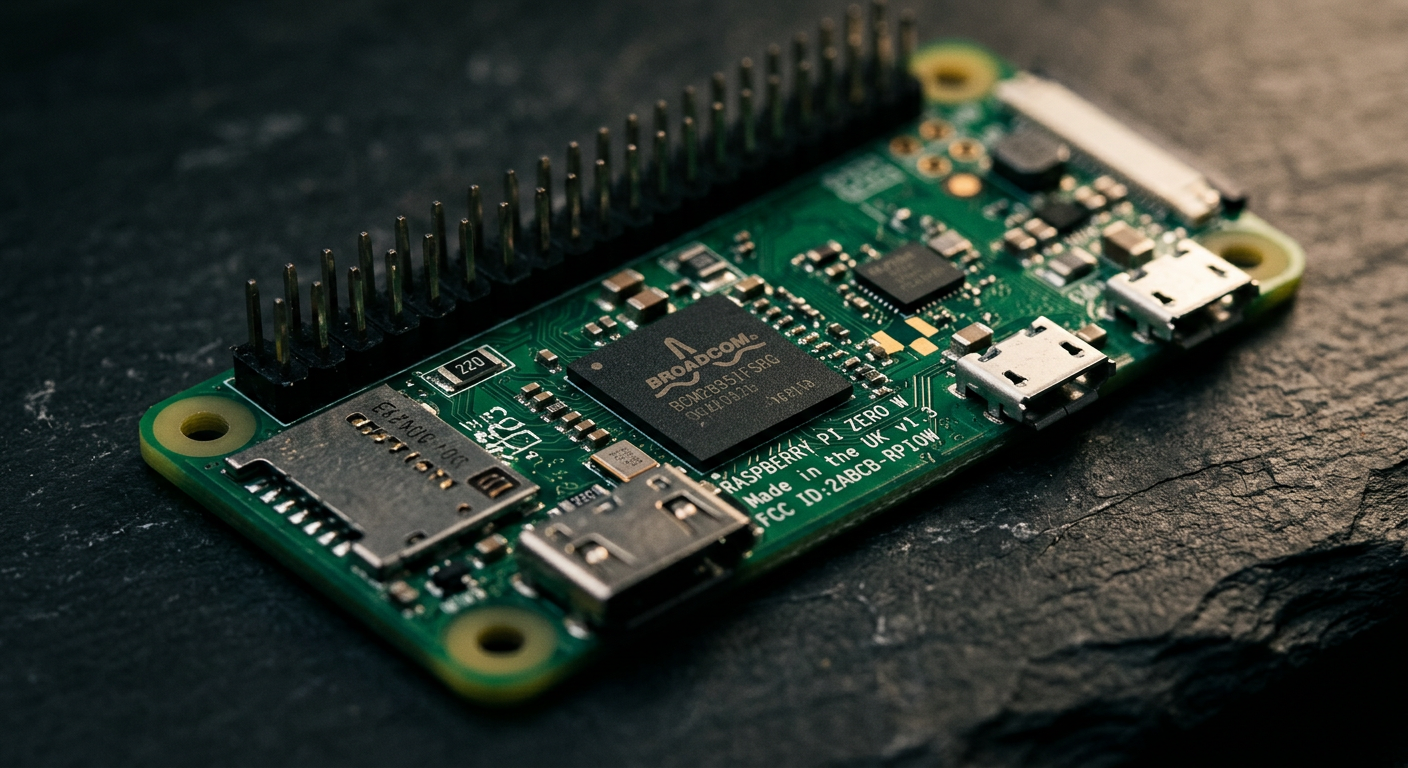
A Nairobi Startup Just Ran Production AI on a $5 Server and It Changes Everything We Thought We Knew
The received wisdom in the AI world is that serious artificial intelligence requires serious money, expensive GPUs, massive data centres, and a power bill that would make your eyes water. A Nairobi startup called Aphorion Labs just challenged all of that by running a production-grade AI database on a Raspberry Pi and a five-dollar server. Here's why that matters way beyond a clever engineering trick.
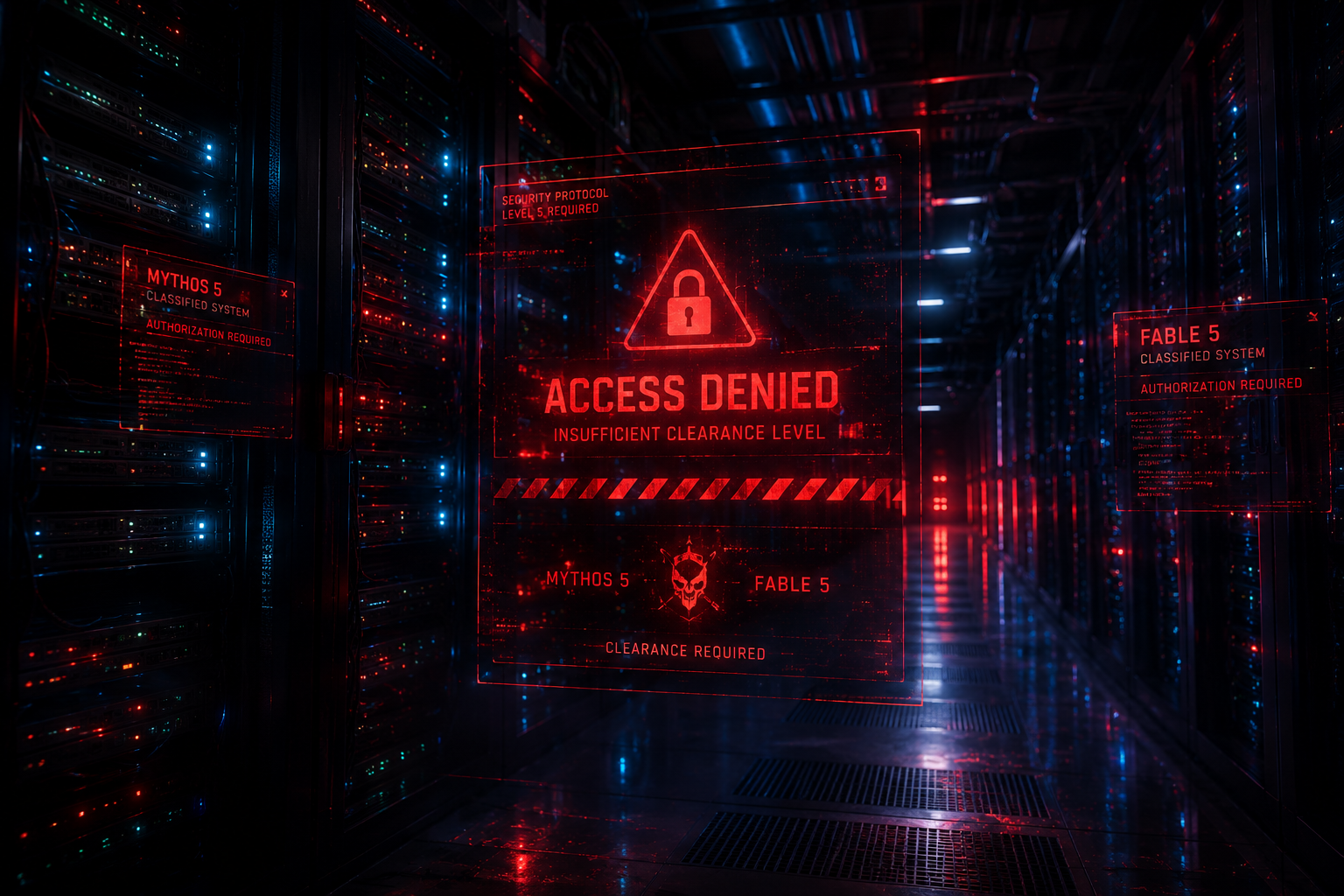
The US Government Just Forced Anthropic to Pull Its Most Powerful AI Models. Here's What's Really Going On
On Friday, June 12, 2026, just days after Anthropic released its most capable models ever, the US government ordered the company to disable them entirely. What started as a national security concern about a jailbreak has exposed a much deeper rift between AI developers and the federal government, and raised uncomfortable questions about who actually controls the most powerful AI systems in the world.
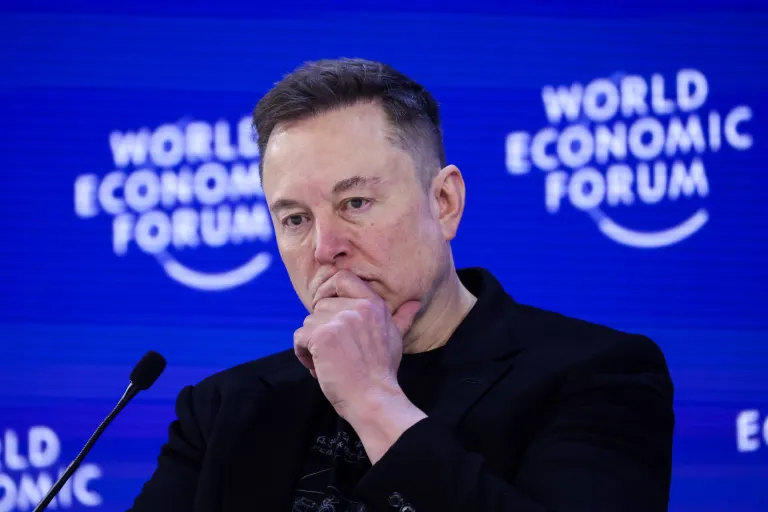
Elon Musk's Journey to a Trillion-Dollar Fortune: How SpaceX's Historic IPO Changed Business History
Elon Musk has reached a milestone few thought possible. Following SpaceX's record-breaking public debut, the entrepreneur behind Tesla, SpaceX, Starlink, Neuralink, and X is widely reported to have become the world's first trillionaire. Here's a look at the decades-long journey that led to one of the most remarkable wealth-creation stories in modern business history.

Google Just Put Gemini at the Center of the World Cup. This Is the Biggest AI Test Yet.
The 2026 FIFA World Cup kicked off on June 11 with Mexico facing South Africa at Estadio Azteca. Behind the spectacle, Google has deployed Gemini across Search, Maps, Waze, and its Gemini app in the most ambitious public AI rollout the company has ever attempted. For the next six weeks, billions of fans will tell Google exactly where AI fits in everyday life.
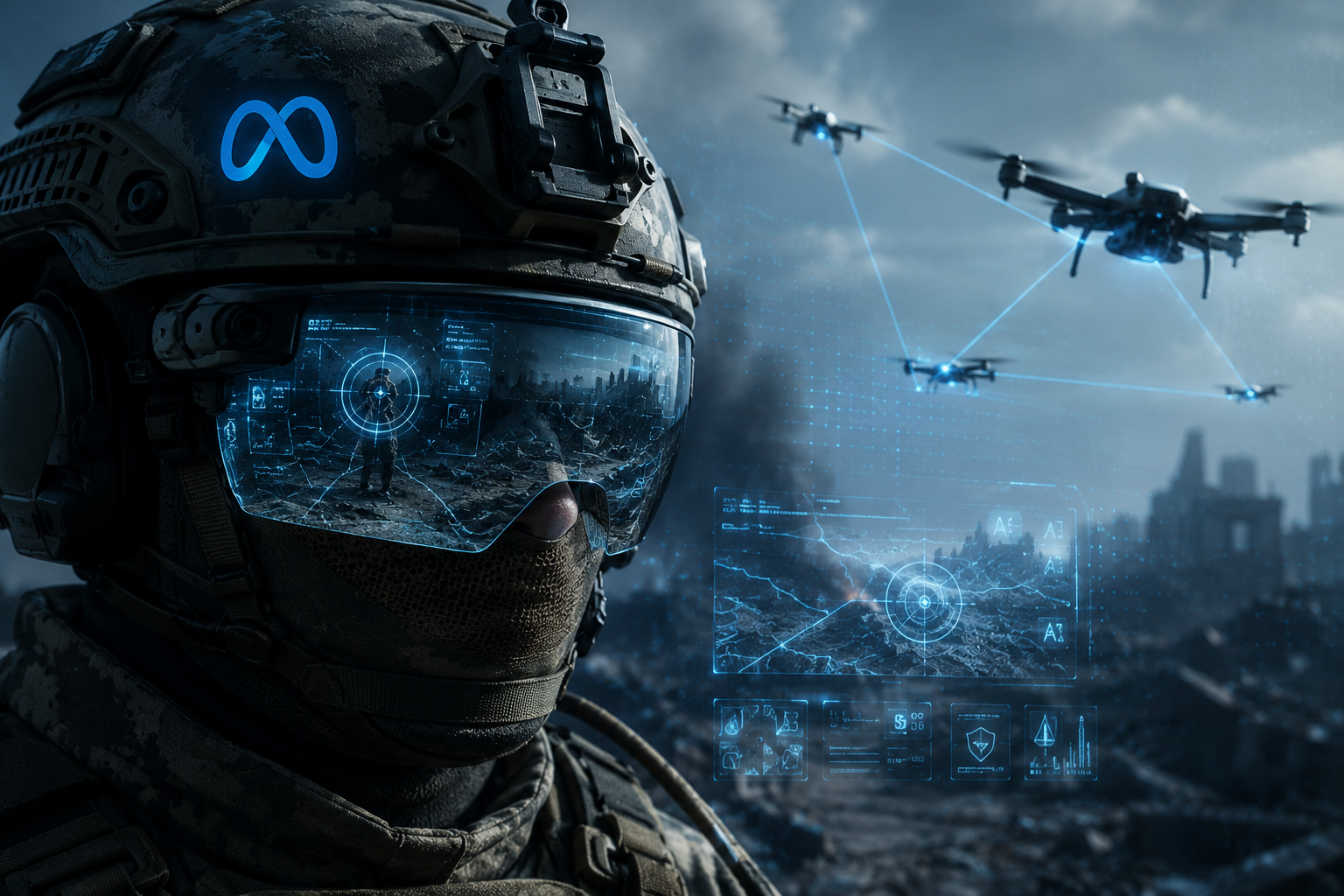
Meta's AI-Powered Smart Glasses Could Shape the Future of Military Technology
Meta's growing investment in artificial intelligence and wearable technology has sparked discussions about how smart glasses could eventually support military and defense applications. While no consumer product has been announced specifically for soldiers, advances in augmented reality, AI assistants, and real-time data visualization suggest that the battlefield technologies of tomorrow may look very different from those of today
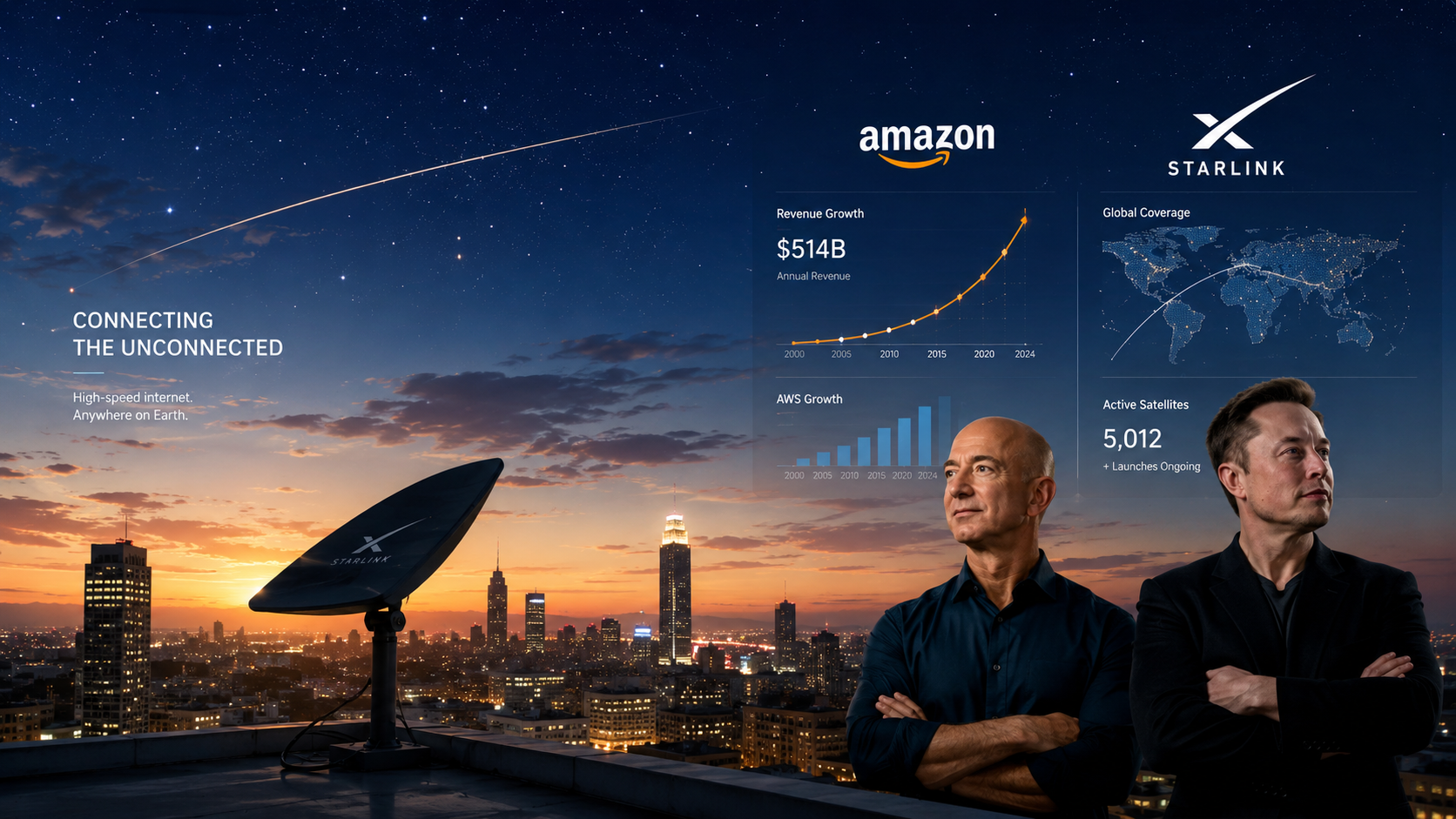
Amazon Is Coming for Starlink in Kenya. Here Is What It Means for You.
Amazon has applied to build its first satellite ground station in Africa right here in Kenya. The company wants a 15-year licence to run its Amazon Leo network, and if approved, it will go head to head with Starlink for the same customers. This is what is happening, why Kenya was picked, and what faster, cheaper satellite internet could actually mean for Kenyan homes and businesses.

Claude Fable 5 Is Here: Anthropic Finally Brings Its Mythos-Class AI to the Public
Anthropic launched Claude Fable 5 today, the public version of its previously restricted Mythos-class model. It is the most capable Claude model ever made available outside a controlled programme, and it sits in a different category from anything Anthropic has shipped before. Here is what changed, what it costs, and what it means for developers building with the API.
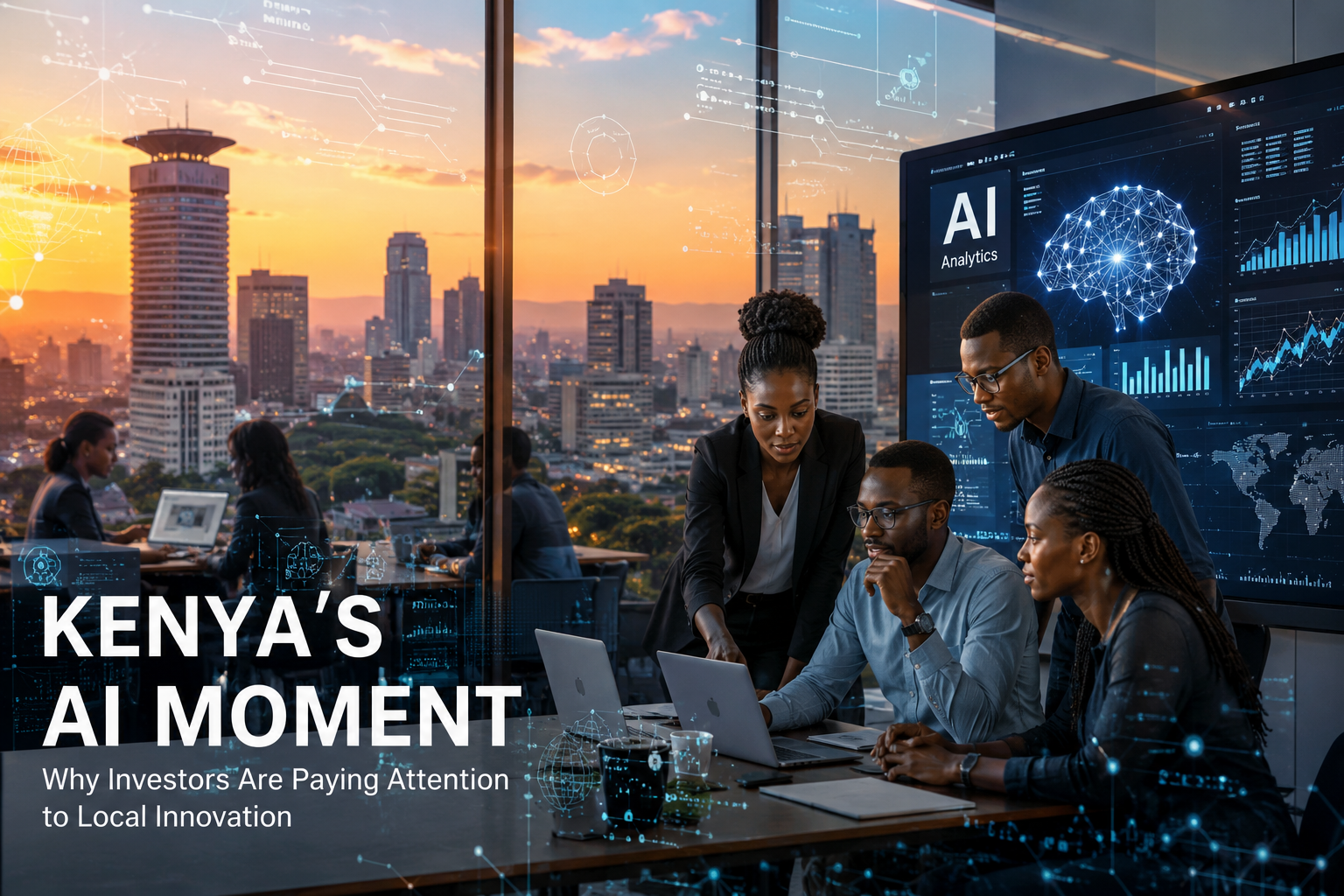
Kenya’s AI Moment: Why Investors Are Paying Attention to Local Innovation
Kenya’s technology sector is entering a new phase of growth as investors, startups, and policymakers rally around artificial intelligence. With tech funding reaching record levels and local innovators showcasing solutions built for African challenges, the country is strengthening its reputation as the continent’s leading innovation hub.

China Just Beat Neuralink to the World's First Commercially Approved Brain Chip
A Shanghai startup called Neuracle Technology has quietly made history and most people barely noticed. In March 2026, China became the first country in the world to commercially approve an invasive brain-computer interface, a coin-sized implant called NEO that is already helping paralyzed patients write, grab objects, and reclaim fragments of their independence. Here's what it means and why it matters far beyond the US-China tech rivalry.
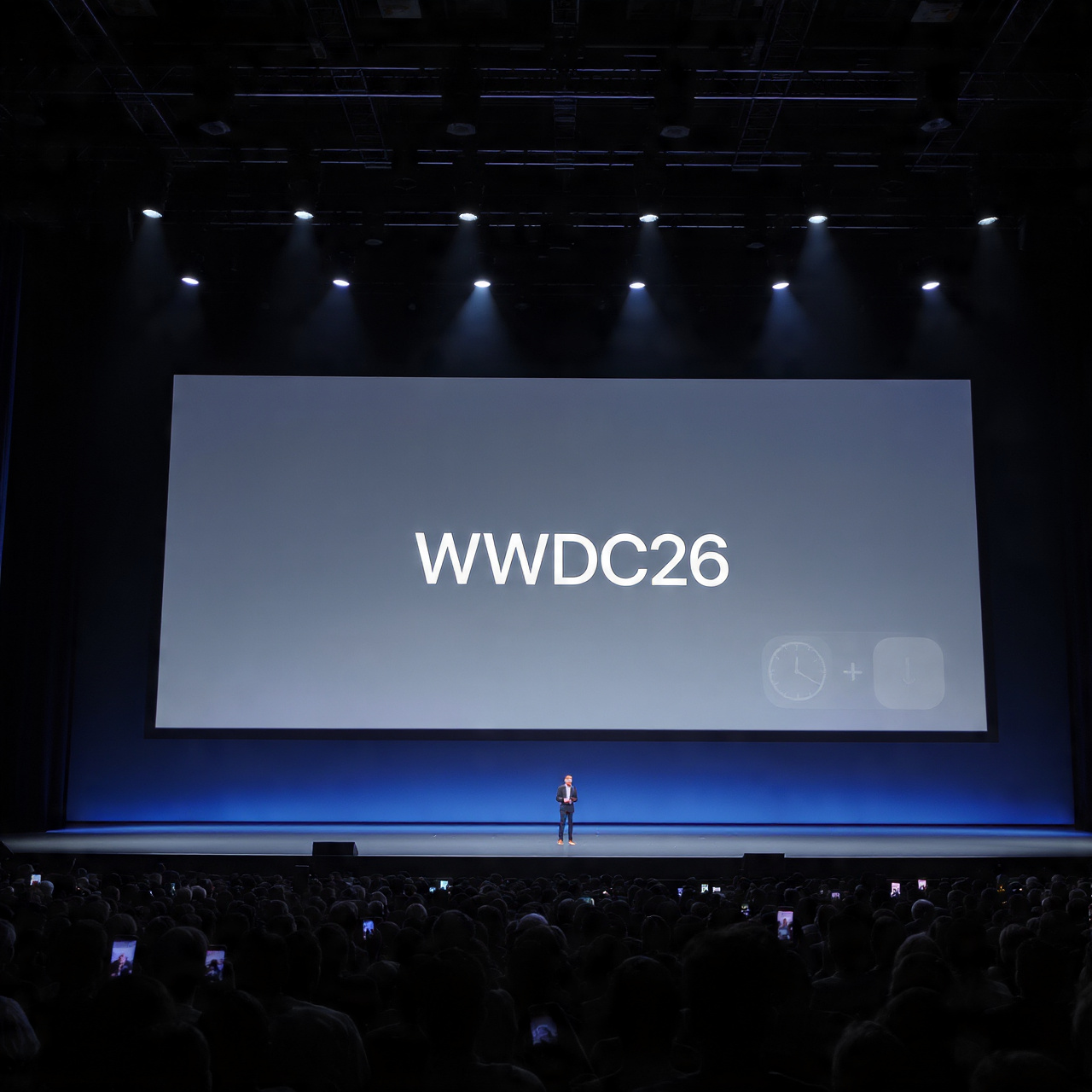
WWDC 2026: Tim Cook’s Final Keynote, iOS 27, and a Gemini-Powered Siri Reset
Apple’s WWDC 2026 kicked off today at 10 AM PT with its biggest software overhaul in years. Tim Cook is expected to step down in September, every Apple OS is jumping to “27”, and Siri is getting rebuilt from scratch on Google’s Gemini AI. Here’s everything you need to know.
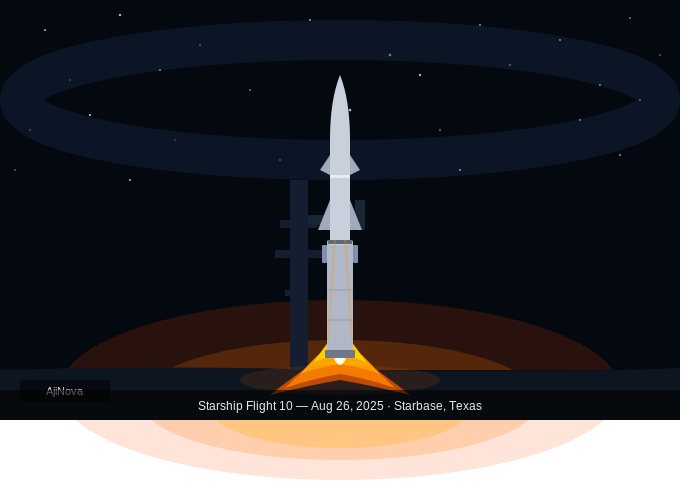
SpaceX Starship Finally Sticks the Landing — Flight 10 Breaks a Brutal Losing Streak
After three back-to-back explosions and a dramatic ground blast in June, SpaceX's Starship roared back on August 26 with its most successful test flight yet — reaching space, deploying mock satellites, and splashing down safely in the Indian Ocean. Here's what happened and why it matters.

Anthropic Alleges Massive Claude AI Abuse Through 25,000 Fraudulent Accounts: What We Know
Anthropic has accused Chinese technology giant Alibaba of orchestrating one of the largest alleged abuses of a commercial AI platform to date. According to the company, nearly 25,000 fraudulent accounts were used over a 45-day period to extract Claude AI's capabilities despite regional restrictions. If the allegations are confirmed, the incident could reshape how AI companies protect their models from unauthorized access and model extraction.

The World's Most Notorious Hackers and How They Changed Cybersecurity Forever
From breaking into government systems to exposing major security flaws, some hackers have become infamous for their actions. While their activities often violated laws, many of their stories helped shape modern cybersecurity practices. Here's a look at some of the world's most notorious hackers, what they did, and the lasting impact they had on digital security.

AI Investment Boom Faces Reality Check as Tech Stocks Slide
Global technology stocks fell sharply on June 23, 2026, as investors reassessed the sustainability of massive artificial intelligence infrastructure spending. The market downturn highlights growing questions about whether the AI boom can continue delivering returns that justify the billions being invested in data centers, chips, and cloud infrastructure.
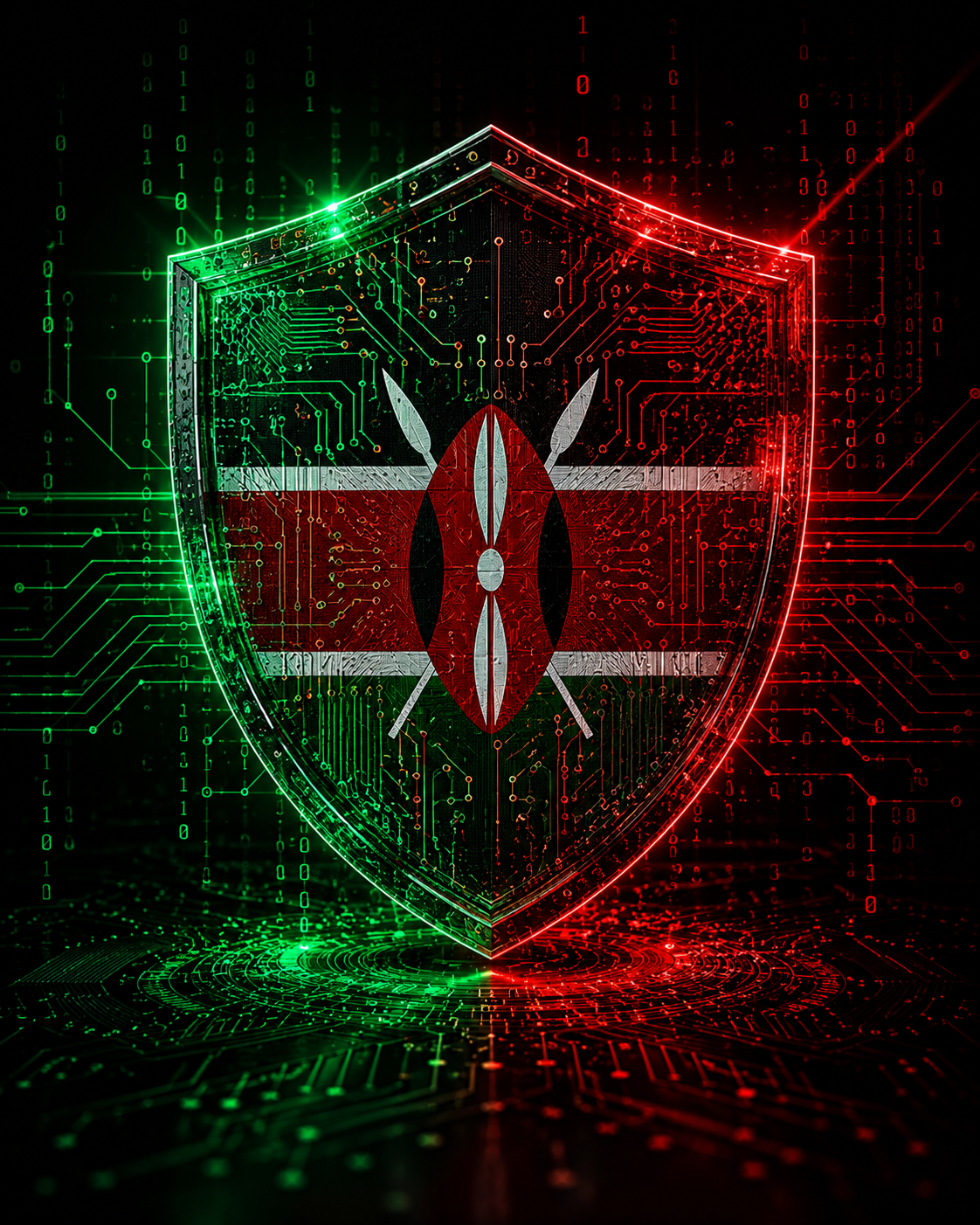
Kenya Just Created Its Own Cybersecurity Agency — and the Timing Could Not Be More Significant
Parliament approved the National Cybersecurity Agency Order, 2026, today — clearing the way for Kenya to establish its first dedicated, autonomous body for national cybersecurity coordination. The move comes as the country faces a record surge in digital threats, builds out AI infrastructure at speed, and watches the world's most powerful governments grapple with what happens when AI systems start breaking into classified networks. Here's what the new agency will actually do, why it matters right now, and what it means for every Kenyan using a phone, a bank account, or a government service.

An AI Just Broke Into Almost Every NSA Classified System in Hours
A single sentence, delivered by Senator Mark Warner on June 11, quietly reshapes everything you thought you knew about why the US government pulled Anthropic's most powerful AI models offline. The NSA and Cyber Command chief told a senator that Anthropic's Mythos model broke into "almost all" of their classified systems — not in weeks, but in hours. This is what we know, what we don't, and why this moment may be the one historians point to when they try to explain how AI became the world's most dangerous national security concern.

The CEOs of OpenAI, Anthropic, and Google Just Sat at a G7 Table With World Leaders — and That Should Worry You a Little
For the first time in G7 history, the chief executives of the world's three most powerful AI labs joined heads of state at the summit table. The official topic was child safety and frontier AI risk. The subtext was something bigger: a handful of private companies now sit close enough to power that they're treated less like vendors and more like peers to presidents. Here's what actually happened at Évian, and why it matters far beyond the policy world.
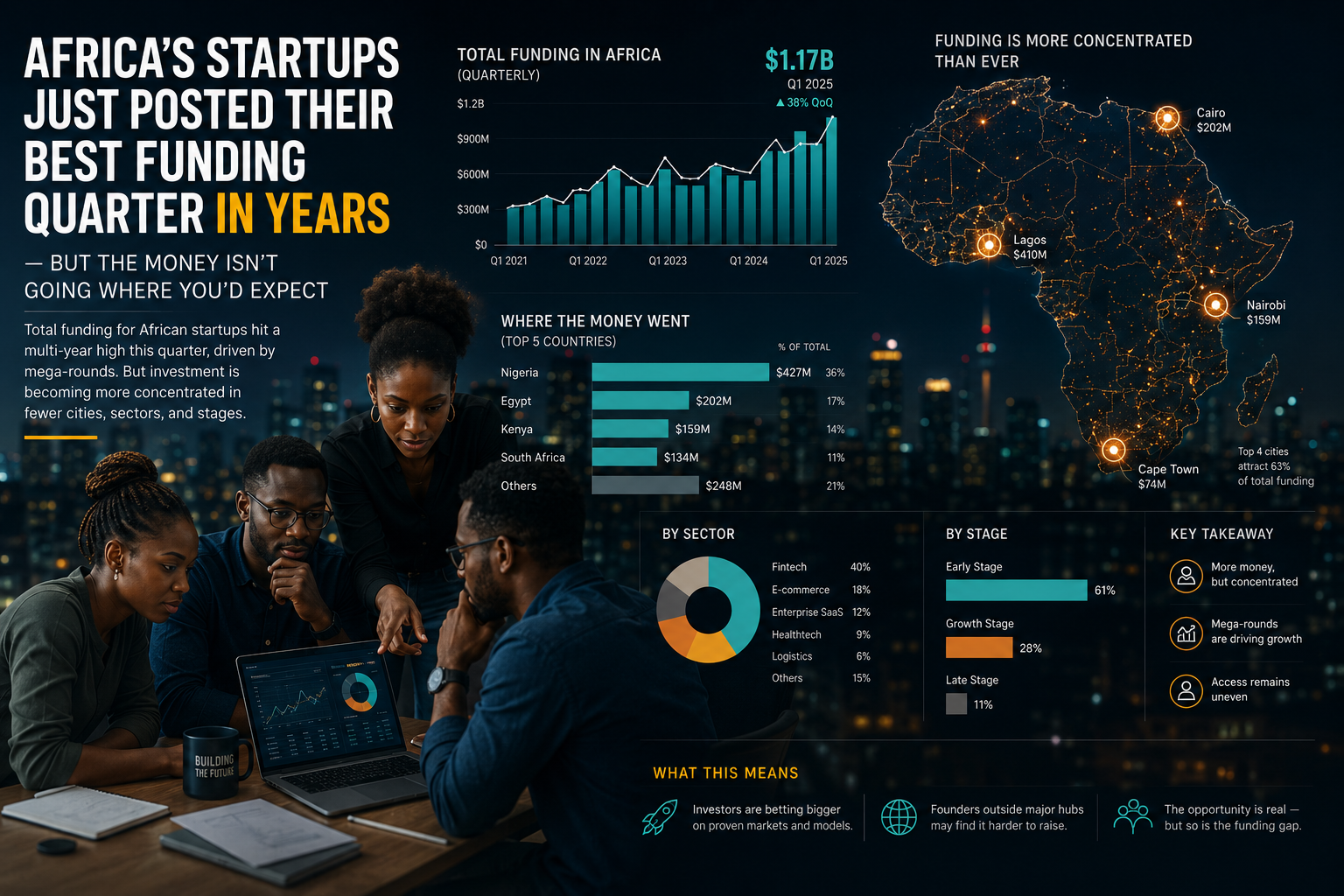
Africa's Startups Just Posted Their Best Funding Quarter in Years — But the Money Isn't Going Where You'd Expect
African tech startups raised $920 million in the first half of 2026, already outpacing the same period last year. But look closer at where that capital actually went, and a more interesting story emerges — one about debt replacing equity, four countries dominating everything, and a continent's startups quietly maturing past the hype-growth phase that defined the last decade.
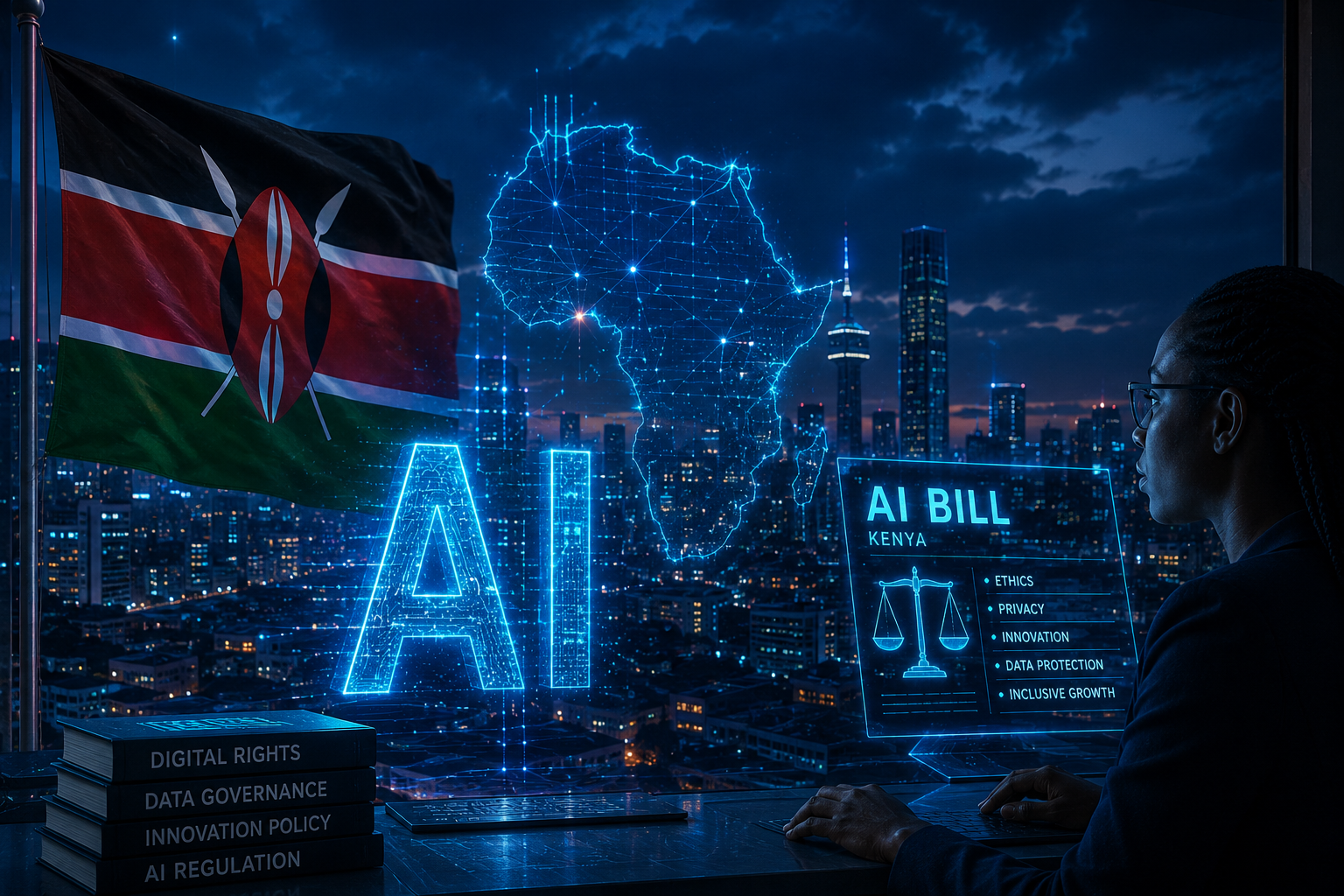
Kenya Wants to Be Africa's AI Capital. Its Own AI Bill Will Decide If That's Possible.
While Kenya pitches itself globally as the continent's most investable AI hub, a piece of legislation moving through the Senate right now will determine whether that pitch survives contact with reality. The Artificial Intelligence Bill 2026 isn't a footnote in Kenya's tech story this week — it's the story. Here's where things stand, what's at stake, and why every founder building AI in Nairobi should be paying closer attention than they currently are.
Binance Is About to Lose the Right to Operate in Europe — and the Clock Runs Out in Two Weeks
The world's largest crypto exchange has until June 30 to secure a licence to keep serving its European customers. According to Reuters sources, that licence is about to be rejected by Greek regulators. What happens to the millions of EU users on Binance, what MiCA actually is, and why this matters for every crypto user everywhere — not just in Europe.

Google Caught a Chinese Hacking Group That Spent Over a Year Stealing Military and AI Research from the US and Canada
For more than two years, a Chinese-linked hacking group quietly burrowed into universities, hospitals, and military research institutions across the United States and Canada — stealing data on AI development, drone warfare, drug discovery, and Indo-Pacific military strategy. Nobody noticed until Google did. Here's how it happened, what was taken, and what it means for the future of research security in an era of great-power competition.

Kenya Is About to Pass an AI Law: and Every Startup, Developer and Tech Business Needs to Know What's In It
Kenya has tabled the Artificial Intelligence Bill 2026 in the Senate, and depending on who you ask, it's either the most important piece of tech legislation the country has ever written, or a regulation so ambitious it could slow down the very ecosystem it's trying to protect. Here's exactly what's in it, who it affects, and what it means if you build, deploy, or use AI in Kenya.

Huawei Just Launched HarmonyOS 7 and It's the Most Serious Challenge to Android and iOS Yet
On June 12, 2026, Huawei took the stage at its annual developer conference and did something that would have seemed far-fetched five years ago: it unveiled an operating system that doesn't just compete with Android and iOS — it reimagines what a mobile OS is supposed to do. HarmonyOS 7 isn't an update. It's a different philosophy. Here's what changed, what it means, and why the rest of the tech world should be paying attention.
Jeff Bezos Just Filed to Build Kenya's First Amazon Satellite Station, and Starlink Should Be Worried
Amazon has officially applied to plant its first satellite ground station in Africa right here in Kenya. The paperwork is in. The subsidiary is registered. And when it goes live, every Kenyan with a satellite dish is going to have a choice they didn't have before. Here's what's happening, why Kenya was picked first, and what it could mean for internet access in a country that's already moving faster than most people realize.

AI Data Centers Become the Next Critical Battleground for Global Infrastructure
Growing demand for artificial intelligence is transforming data centers, networking systems, and power infrastructure into strategic assets for the digital economy.

Apple Expands AI Infrastructure with Secure Cloud Computing Technology
Apple is expanding the capabilities of its AI ecosystem through enhanced cloud infrastructure designed to support advanced AI services while maintaining privacy and security.
Oracle's Massive AI Backlog Highlights Growing Demand for Cloud Infrastructure
Oracle reported strong cloud growth and revealed an enormous AI-related backlog, underscoring how artificial intelligence is reshaping demand for computing infrastructure across the technology sector.

ChatGPT Is Losing Ground. Claude Grew 306% in a Quarter. Here Is What the AI Market Looks Like Right Now.
Twelve months ago, ChatGPT held nearly 77% of all AI chatbot web traffic. By April 2026 that number had fallen to 54.7%. Google Gemini has surged to 27.4%. Anthropic's Claude grew 306% in a single quarter. The era of ChatGPT dominance is ending faster than almost anyone predicted.

OpenAI Is Building a Power Plant for AI. Here Is What 10 Gigawatts Actually Means.
OpenAI has signed contracts for 10 gigawatts of AI computing capacity, years ahead of its original 2029 target. To put that in context, 10 gigawatts powers roughly 7.5 million American homes. The AI infrastructure race is no longer about software. It is about who can build the biggest power grid.