 AjiNova News
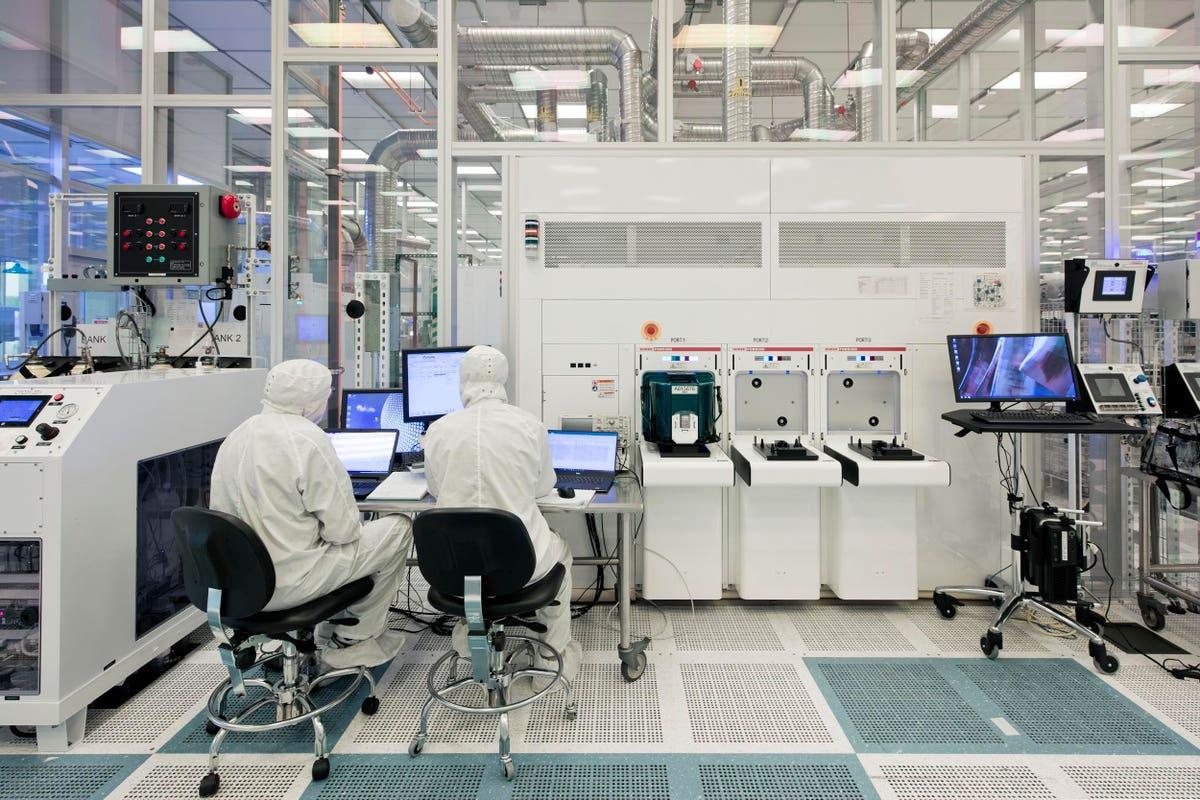
The global AI race is creating another race underneath it: who controls the world's most advanced semiconductor factories?
Japan wants to be one of the winners.
The Japanese government has committed roughly $15 billion in backing for Rapidus, a semiconductor company attempting to establish advanced chip manufacturing capabilities in Japan. The company is targeting mass production of 2-nanometre chips in the second half of the next fiscal year.
That puts Rapidus into direct competition with some of the world's most powerful semiconductor manufacturers, including TSMC, Samsung and Intel.
Why 2nm matters
The smaller the manufacturing process, the more transistors can potentially be placed into a given area.
More transistors can translate into better performance and efficiency.
For AI processors, this matters enormously.
AI data centres consume huge quantities of electricity. More efficient chips can therefore reduce both computing costs and energy consumption.
That makes advanced semiconductor manufacturing a strategic issue rather than simply a commercial one.
Japan wants semiconductor independence
Japan was once a dominant force in the global semiconductor industry.
Over the decades, however, much of the most advanced manufacturing shifted toward companies and regions such as Taiwan and South Korea.
Rapidus represents an attempt to reverse part of that decline.
The company has partnered with 17 organisations, including Synopsys and Infosys, to help customers design chips.
But manufacturing a cutting-edge chip is extraordinarily difficult.
Designing a 2nm processor is one challenge.
Mass-producing millions of reliable chips at competitive prices is another.
The AI boom changes the economics
The timing is not accidental.
AI companies are consuming enormous quantities of advanced processors and memory.
The semiconductor industry is consequently becoming one of the most strategically important parts of the global economy.
Samsung's recent record earnings provide another example of how AI demand is reshaping the chip market.
The next decade could therefore produce a semiconductor industry that looks very different from the one that existed before the AI boom.
Countries aren't just asking:
"Who makes the best AI?"
They're increasingly asking:
"Who controls the factories that make the machines running AI?"
And Japan is betting billions that it can become one of those countries.
Enjoyed this article?
Help AjiNova continue publishing insightful stories about technology, AI, startups, and innovation. Every contribution makes a difference.
Voluntary contribution · Choose your amount
Need help building software?
Talk to the AjiNova team about web applications, mobile platforms, AI integrations, and cloud solutions.