 AjiNova News
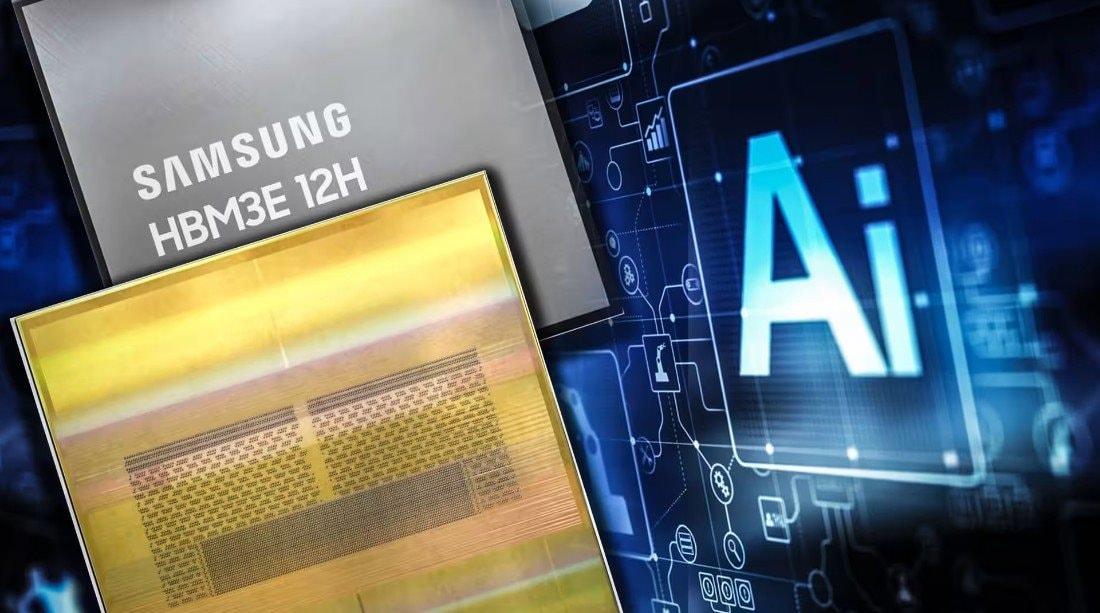
The artificial intelligence boom is no longer just about chatbots.
It is becoming a semiconductor business — and Samsung is one of the biggest companies benefiting from it.
Samsung Electronics expects third-quarter 2026 operating profit to reach approximately 107.4 trillion Korean won, or about $80.2 billion, representing an almost nine-fold increase from the same period last year. The company expects quarterly revenue of approximately 195 trillion won.
The biggest driver is demand for memory chips used in artificial intelligence infrastructure.
AI needs enormous amounts of memory
Modern AI systems require huge quantities of high-speed memory, particularly high-bandwidth memory (HBM).
HBM sits alongside AI accelerators and allows processors to move enormous amounts of data quickly. As companies build increasingly powerful AI models and data centres, demand for these chips has exploded.
Samsung's results show just how significant that demand has become.
The company has effectively become one of the biggest beneficiaries of the infrastructure race between companies developing frontier AI systems.
But there is another side to the story.
AI could make your next phone more expensive
The global semiconductor shortage isn't only affecting AI companies.
Memory is also required in smartphones, laptops, tablets and other consumer electronics. As AI companies consume more of the world's available memory production, manufacturers of conventional electronics are facing higher component costs.
That could eventually be passed directly to consumers.
In other words, the AI revolution could produce an unusual situation: AI companies get more computing power while ordinary consumers pay more for computers and smartphones.
This is particularly important in developing markets such as Kenya, where price remains one of the biggest barriers to accessing modern technology.
The bigger battle is happening inside data centres
Samsung's results demonstrate something important about the AI industry.
The companies that build the models aren't the only ones making money.
The companies providing the chips, memory, networking equipment, electricity, cooling systems and data-centre infrastructure are becoming increasingly important.
That is why semiconductor companies are attracting enormous investment.
AjiNova previously examined this infrastructure shift in its analysis of Databricks' $188 billion valuation and the AI infrastructure economy.
The AI race is therefore becoming a race for physical infrastructure.
And Samsung's latest numbers suggest that race is only accelerating.
Source: Reuters / Financial Times.
Enjoyed this article?
Help AjiNova continue publishing insightful stories about technology, AI, startups, and innovation. Every contribution makes a difference.
Voluntary contribution · Choose your amount
Need help building software?
Talk to the AjiNova team about web applications, mobile platforms, AI integrations, and cloud solutions.